For a decade, the default startup playbook looked the same everywhere: raise a seed round, burn cash to grow, raise again before the money runs out. In Ukraine, that playbook stopped working almost overnight. Investors paused, risk premiums soared and many founders found themselves with a product, a team and no realistic path to the next round. What happened next is one of the most instructive business stories of recent years.
When the next round is not coming
Bootstrapping is usually described as a choice. Under pressure it becomes a condition. When external capital is scarce, a company can only spend what it earns, and every decision is tested against a single question: does this bring in revenue soon enough to keep the lights on?
That constraint turned out to be clarifying. Teams stopped building features "for the next investor update" and started building what paying customers asked for. Pricing moved from an afterthought to a core product decision. Sales cycles that used to be tolerated for months were shortened or dropped. The companies that adapted fastest were not always the best funded; they were the ones that learned to read their own cash flow as carefully as their product analytics.
Profit-first is a discipline, not a slogan
A profit-first company does not simply "cut costs". It changes the order in which it makes decisions. Revenue and margin are set first; the growth budget is whatever remains. In practice, that usually means:
- launching paid plans early instead of waiting for "product-market fit" in a free tier;
- prioritising customers with short payment cycles and clear budgets;
- keeping fixed costs flexible: smaller core teams, distributed contractors, cloud resources that scale down as easily as up;
- treating each new market as an experiment with a defined payback period, not a land grab.
What the numbers say
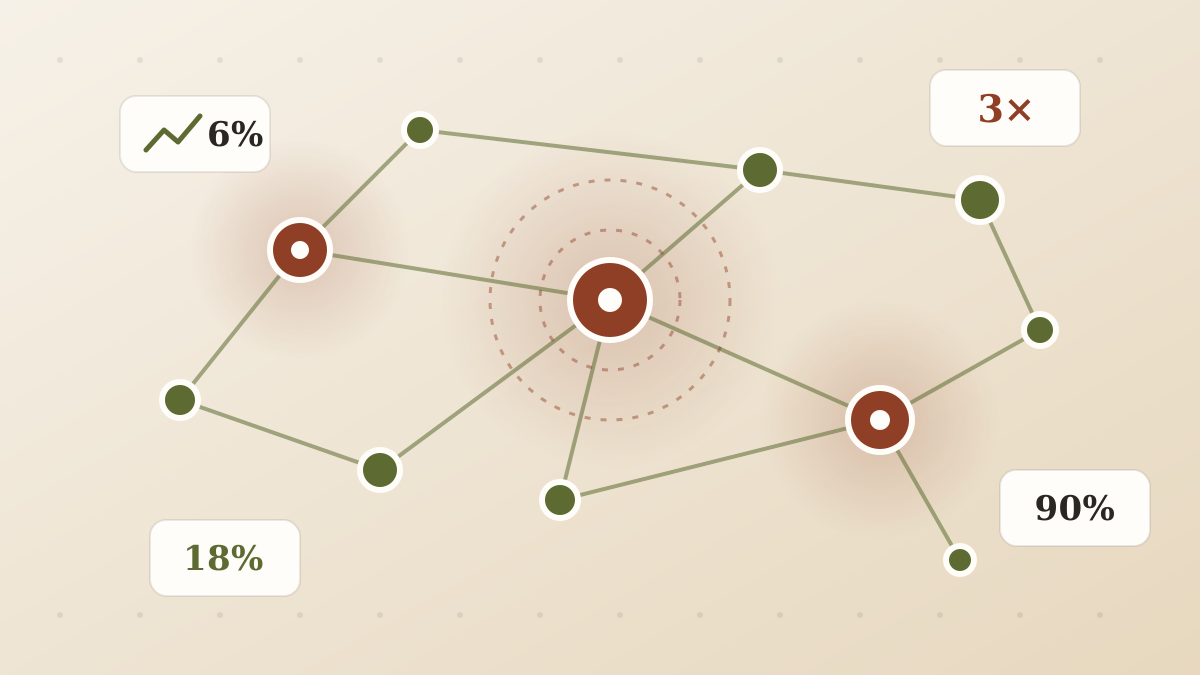
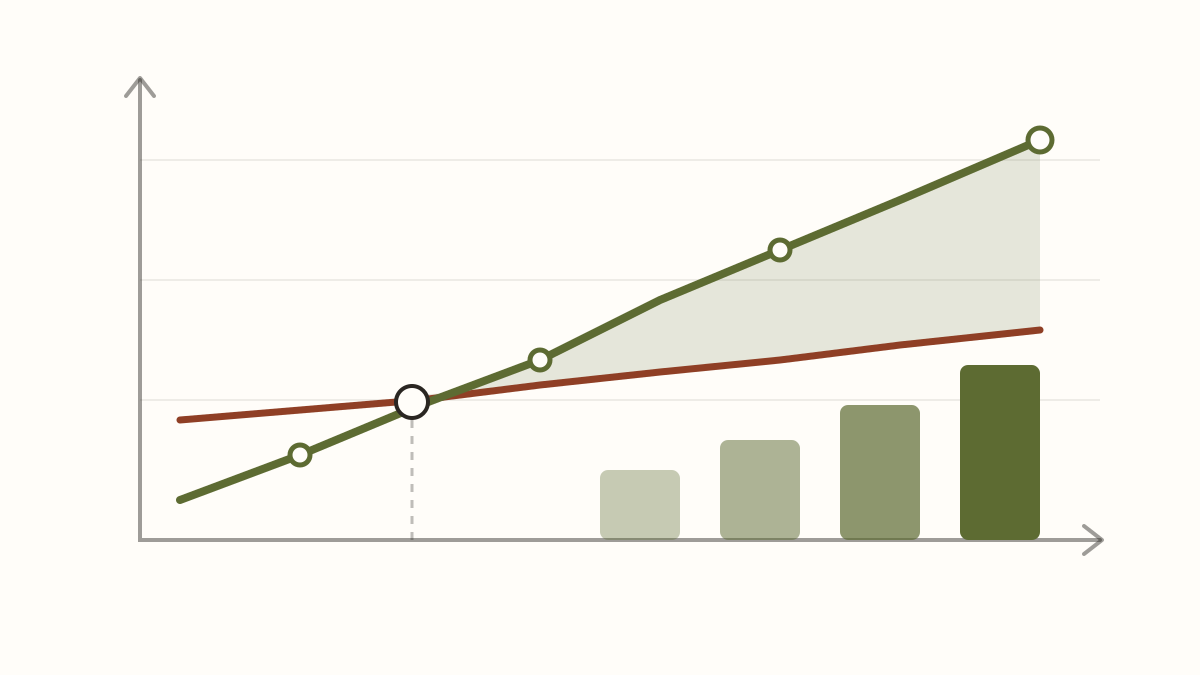
The macro data supports what founders describe. The share of the IT sector in Ukraine's GDP grew from 4.5% in 2021 to 6% in 2024, at a time when most industries were contracting. According to the Polish-Ukrainian Startup Bridge study, 90% of founders still see high growth potential for their projects, even though access to financing remains one of their main constraints.
These figures do not mean that bootstrapping is painless. They mean that a large part of the ecosystem found a way to keep operating, hiring and exporting while depending far less on outside money than its peers in calmer markets.
The hidden advantages of constraint
Founders who went through this period often describe three unexpected benefits. First, ownership: without dilutive rounds, teams kept more control over their companies and could make long-term decisions without pressure to hit an artificial valuation. Second, focus: a short runway eliminates side projects quickly. Third, credibility: a company that grew on its own revenue arrives at investor meetings with evidence rather than projections.
That last point matters most. When such a company does decide to raise capital, it negotiates from a position of strength. The money accelerates a model that already works instead of funding the search for one.
Lessons that travel
Not every market will face the same extreme conditions, but the lessons are portable. Any founder can ask the questions that Ukrainian teams were forced to answer: Which customers pay us fastest? Which costs would we keep if revenue fell by half? Which feature would a customer actually pay extra for this quarter?
Bootstrapping under pressure is not a romantic story about scarcity. It is a practical method for building companies that survive shocks, and in an uncertain global economy, that may be the most valuable skill a startup can have.
A company that grows on its own revenue does not ask investors to believe. It shows them. — Editorial team