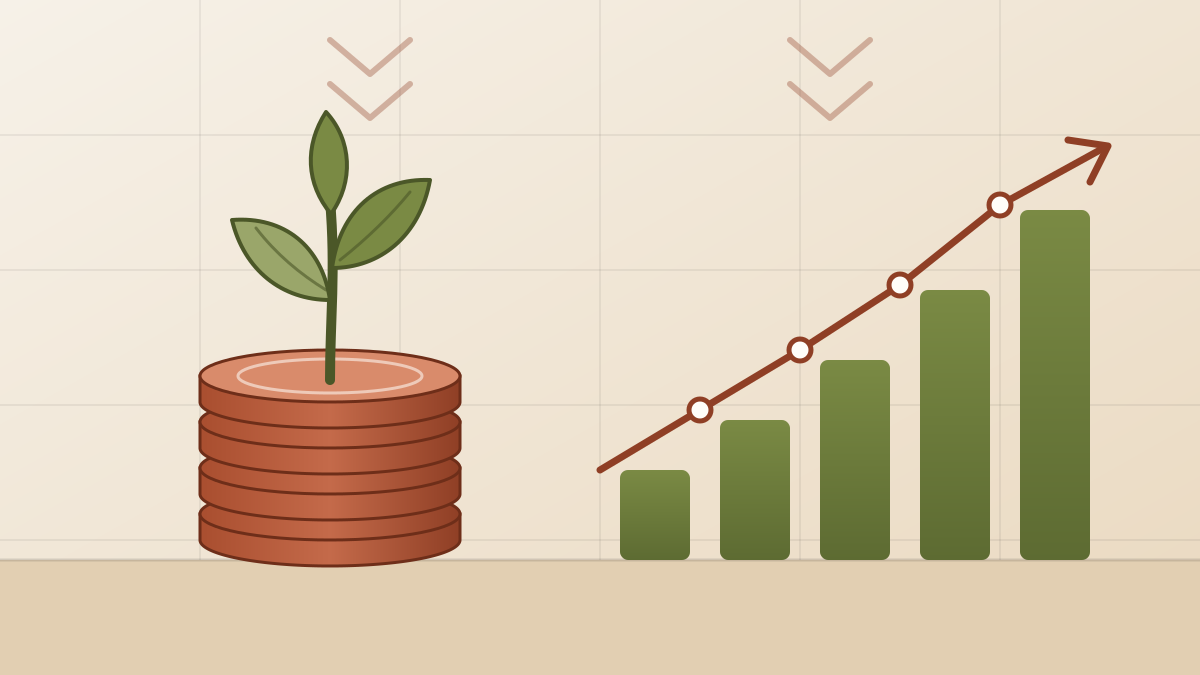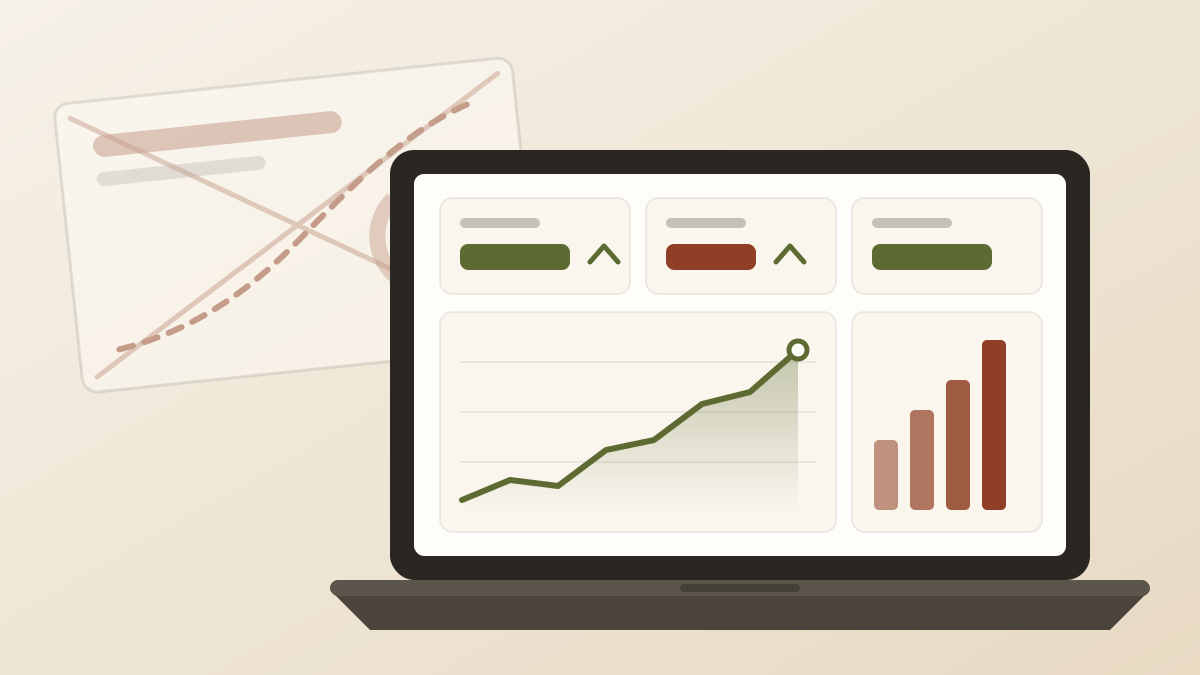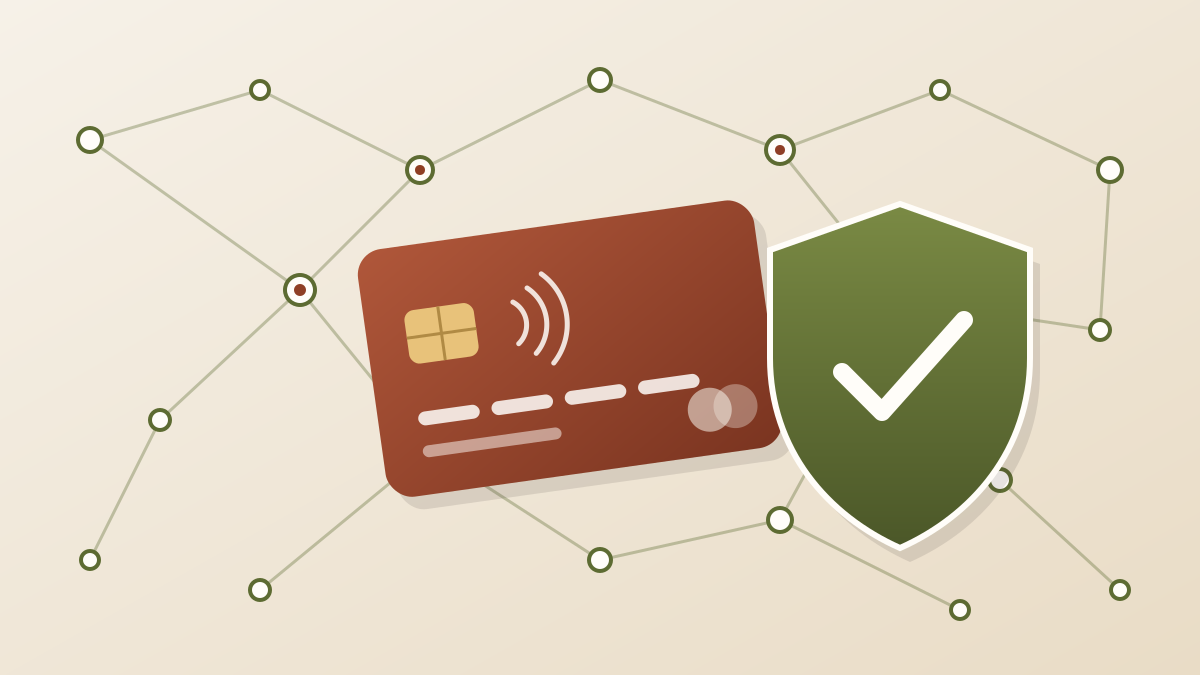
Most people only notice payment infrastructure when it fails. A card is declined, a transfer is stuck, a terminal goes offline. In Ukraine, the past years turned this invisible layer into something everyone could see: when payments keep working, shops stay open, salaries arrive and the economy keeps moving. Fintech stopped being a niche for fast-growing startups and became part of the country's basic resilience.
From fast money to critical infrastructure
Not long ago, fintech was often discussed in the language of venture capital: user growth, valuation, the next round. That language has not disappeared, but the priorities have shifted. Payment providers, digital banks and processing companies now measure success first by availability: can a customer pay, receive money or withdraw cash today, whatever happens to the power grid or the network?
This is what it means for fintech to support the economy itself. Every working transaction is a small act of continuity. Multiply it by millions of daily payments, and payment infrastructure becomes as essential as roads or electricity.
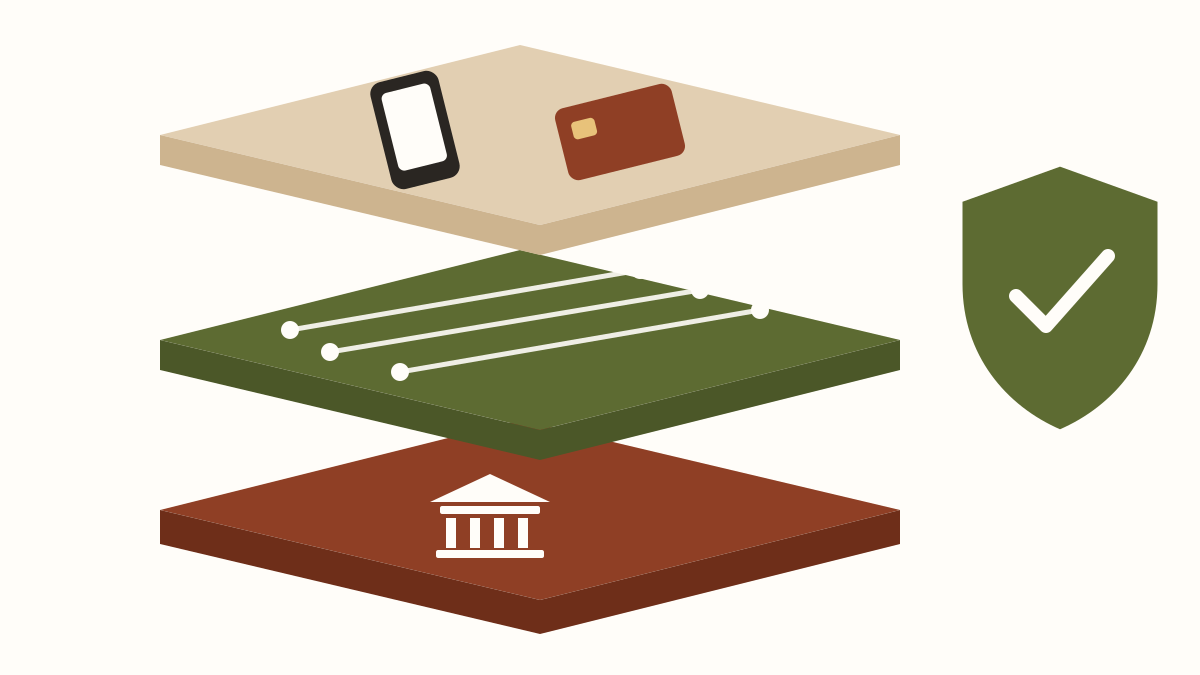
Resilience is an engineering choice
Uninterrupted payments do not happen by luck. They are the result of deliberate engineering and operational decisions made long before a crisis:
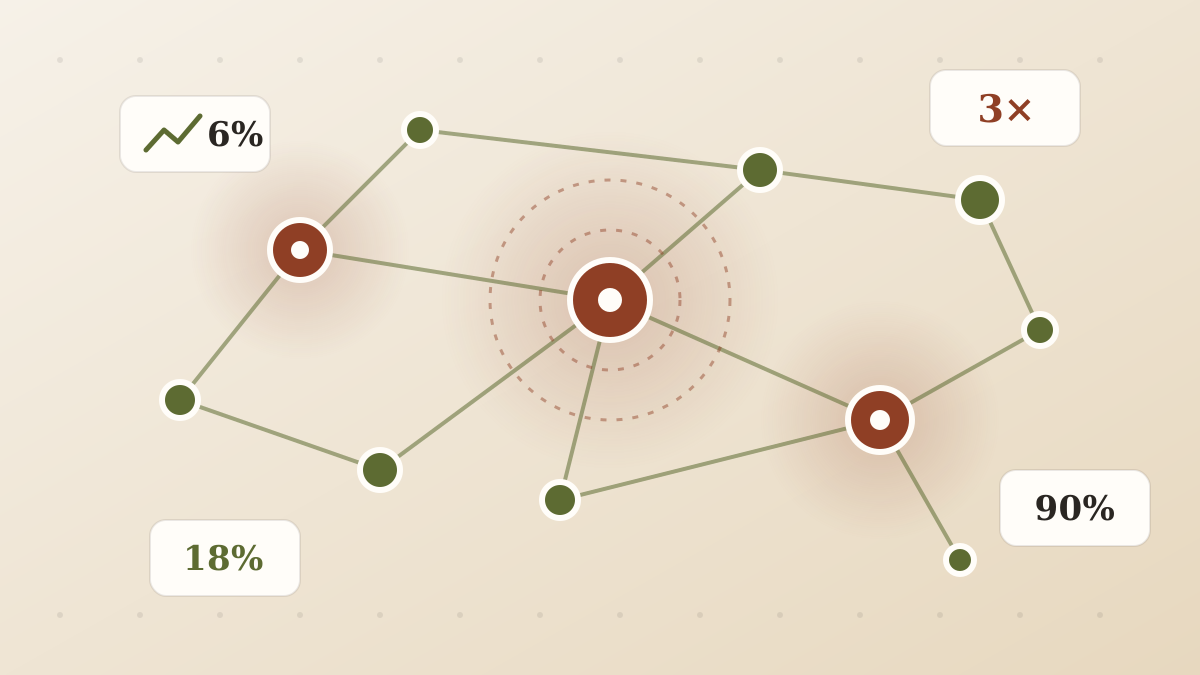
- Redundancy. Duplicate data centres, cloud backups and alternative communication channels, so that a single outage does not stop transactions.
- Offline and low-connectivity modes. Terminals and apps designed to keep working, or to fail gracefully, when the network is unstable.
- Fast incident response. Teams that rehearse failures and can reroute traffic in minutes rather than hours.
- Close cooperation with regulators. Clear rules on where data may be stored and how services can be restored speed up recovery.
None of these items appears in a pitch deck as a growth driver. All of them determine whether a payment company deserves the trust of its users.
Why this matters for the wider economy
When payments are reliable, small businesses can keep selling, people can receive income and support, and the state can collect taxes. Each of these flows reinforces the others. That is why the transformation that industry practitioners describe — from an industry of quick capitalisation to an instrument of national stability — is not just a change of image. It is a change in what the industry is accountable for.
It also changes how talent is valued. Engineers who can keep a processing system online under stress, compliance specialists who understand both risk and speed, and product managers who design for the worst day rather than the average one have become central to the sector.
What other markets can learn
Few countries will face the same combination of risks, but every economy depends on its payment rails more than it admits. Natural disasters, cyberattacks and large-scale outages are global threats. The Ukrainian experience suggests a simple test for any fintech: if your service had to run for a week with unstable power and connectivity, would your users still be able to pay?
Fintech as national stability is not a slogan. It is a standard of reliability that customers, regulators and investors are increasingly entitled to expect.
Every working transaction is a small act of continuity. Reliability is the real product of payment infrastructure. — Editorial team