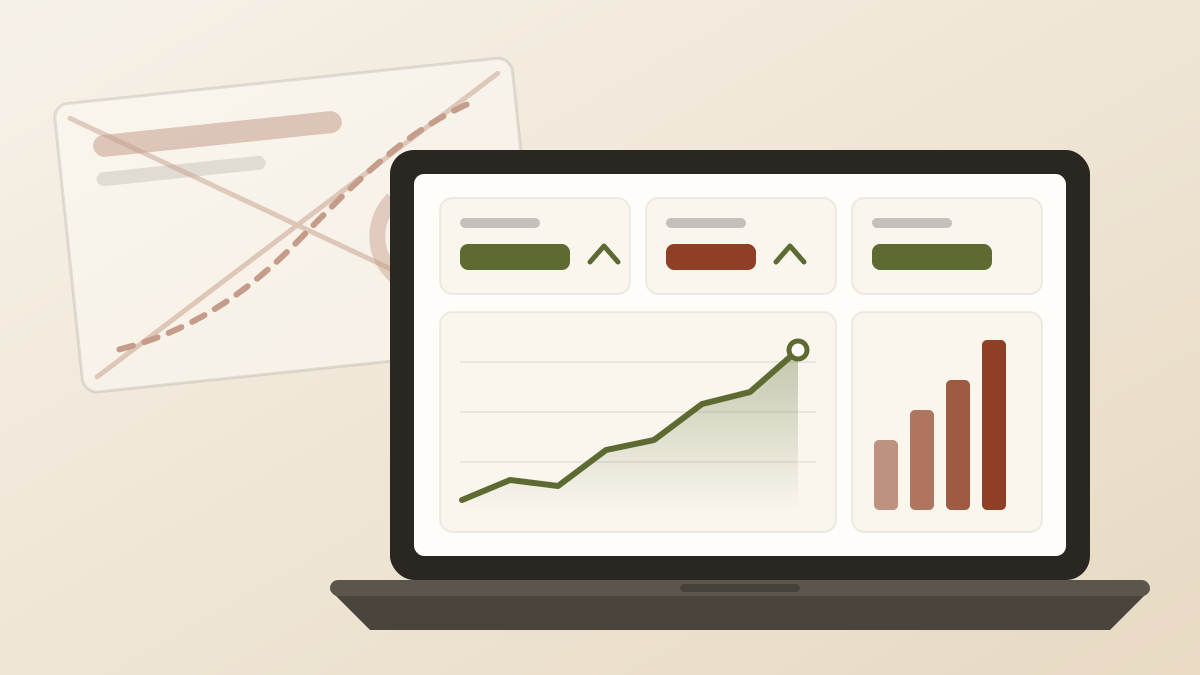
A good pitch deck tells a story. A working product tells the truth. For years the startup world rewarded the first; today more and more investors are looking for the second. Ukrainian founders, who often had to prove their companies could operate under extreme conditions, have become a visible example of this shift: they arrive with dashboards, not just slides.
The limits of the perfect presentation
A deck is a promise. It describes a market, a vision and a plan, and asks the reader to believe that the team can deliver. That is not useless — early-stage investing will always involve judgement about people. But a deck cannot show how a product behaves when real customers use it, how quickly the team ships, or what happens to revenue when conditions change.
When uncertainty is high, investors naturally put more weight on what can be observed. The question changes from "How big could this be?" to "What is already working, and how do you know?"
What investors read in working metrics
Metrics are not just numbers on a chart. Each one answers a specific question about the business:
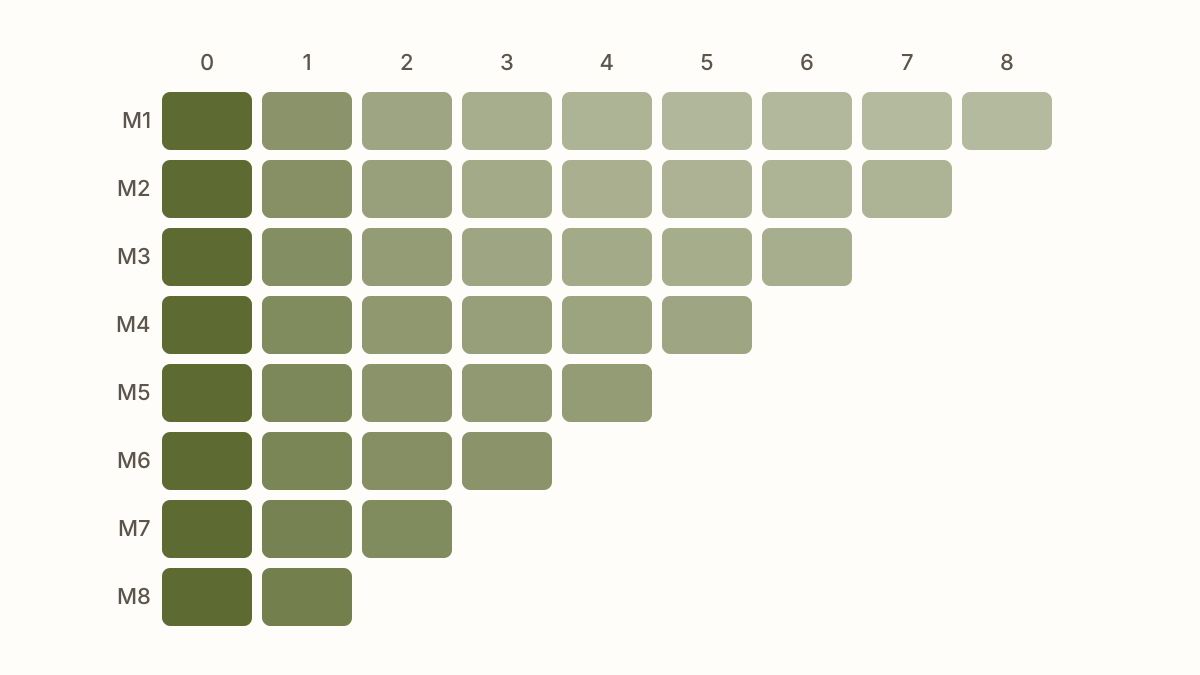
- Retention shows whether customers come back without being pushed — the clearest sign that a product solves a real problem.
- Revenue quality — recurring versus one-off, concentrated versus diversified — shows how predictable the business is.
- Unit economics, such as the cost of acquiring a customer compared with the value that customer brings, show whether growth makes the company stronger or weaker.
- Payback period shows how long the company has to wait before a new customer becomes profitable, which matters even more when capital is expensive.
- Shipping speed — how often the team releases improvements — shows execution capacity better than any slide about the roadmap.
Execution as evidence
As our analysis of the Ukrainian ecosystem shows, the focus has moved from visionary storytelling to pragmatic execution. A team that kept a product running and growing while 75% of its peers faced a critical lack of funding has already passed a stress test that no presentation can simulate.
This does not mean the story no longer matters. It means the story has to be supported by data. The strongest founders now present their metrics first and use the narrative to explain them: why retention improved after a pricing change, why one segment grows faster than another, what the team learned from a failed launch.
How to prepare a metrics-first conversation
For founders, the practical takeaway is straightforward. Before polishing the deck, build a simple, honest data room: a few core metrics, defined clearly, tracked consistently over time, with the raw numbers available on request. Show the bad months alongside the good ones. Investors who see that a team understands its own weak points are far more likely to trust its strengths.
For investors, the lesson is equally clear. A beautiful deck can hide a fragile business, while a plain spreadsheet can reveal a resilient one. In an economy where shocks are becoming more frequent, reading working metrics is no longer a technical skill. It is the core of due diligence.
A deck is a promise. A working product is evidence. In uncertain times, investors choose evidence. — Editorial team